

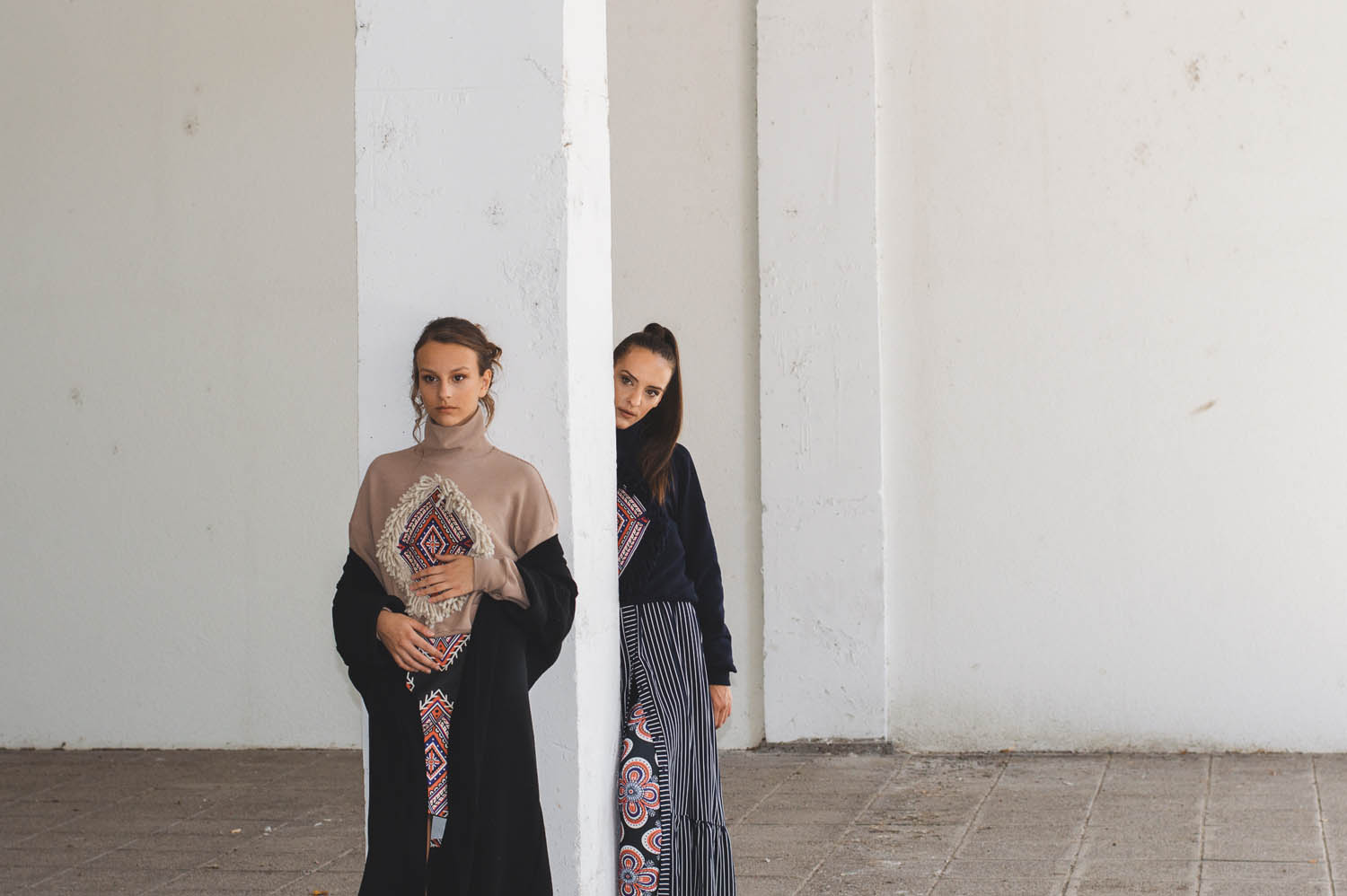
The fall winter 22-23 collection speak about the folk tale of Žálik žêne.
žálik žêna – žálik žêne fem. (á, é)
ethno., according to popular belief, a young woman resembling a being with magical powers, who helps obedient, generous people and tortures men who are in love with her: in the inaccessible rocks lived žalik žene; to fall in love with a žalik žena / white žalik žene (Dictionary of the Slovenian Standard Language – SSKJ)
They appear when people need them most. However, if someone accidentally or out of arrogance approached their dwellings, they were forced to return to the valley with landslides, storms and hail send above them.
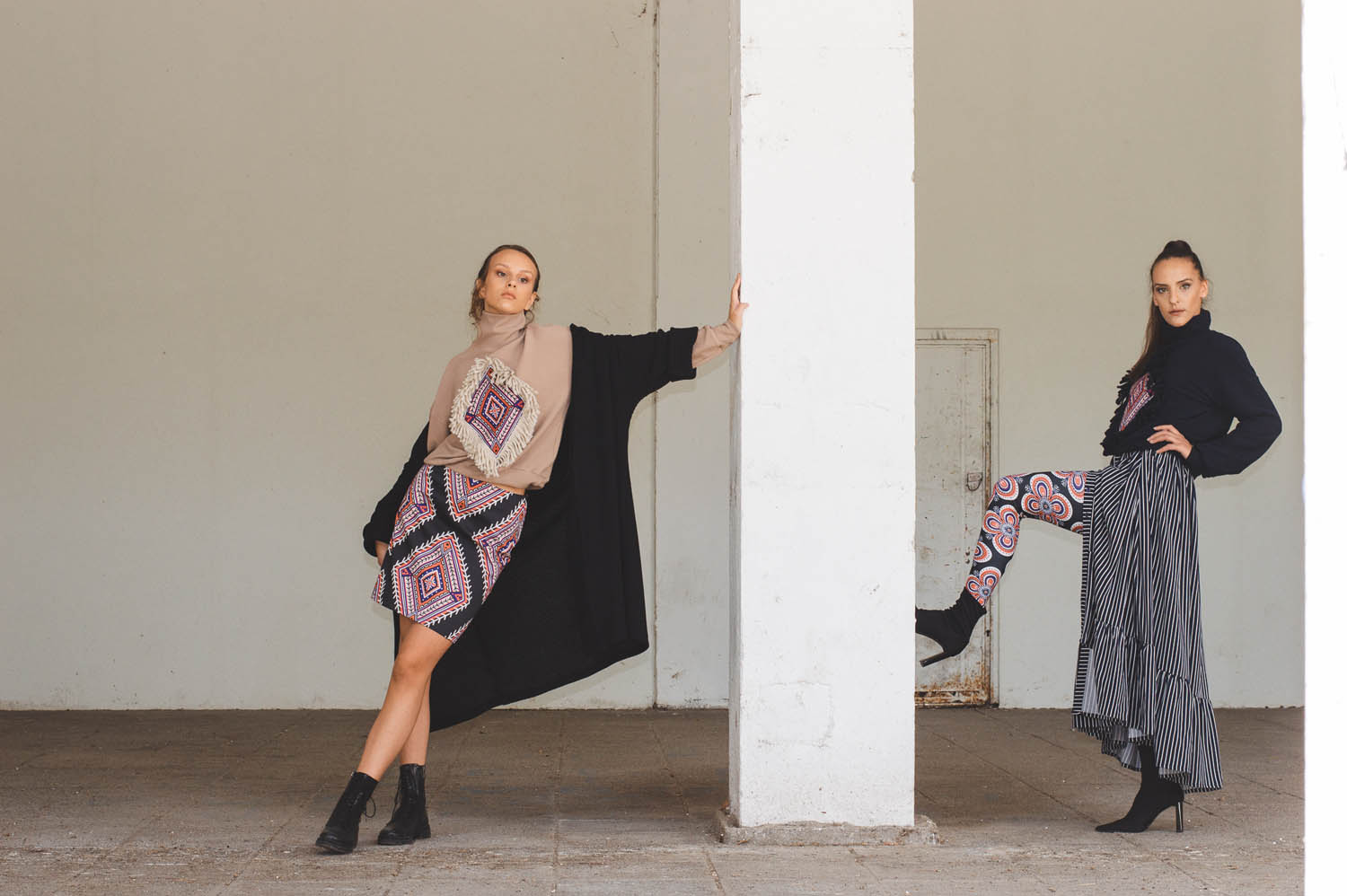
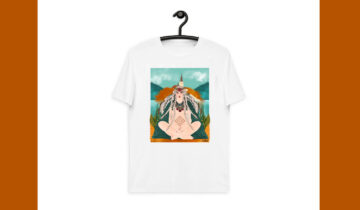
Women dressed in white with beautiful long hair. They were kind to people, they advised farmers on fieldwork and chores, they helped them, but only if they were left alone. According to folk tale belief, she helped obedient generous people and tortured men that fell in love with her.
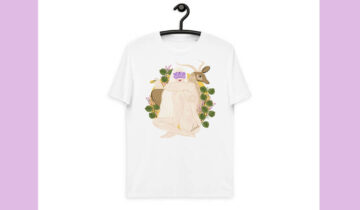
A story about Žalik women is also found in one of the various legends about the Golden Horn – Zlatorog. Three Žalik women lived in the Julian Alps, which was then still a magical floral garden. They were the guardians of the Golden Horn, a large snow-white goat with golden horns that glowed in the dark. His horns were also the key to the treasure he guarded under Mount Bogatin. The mountain fairies gave the Golden Horn his immortality, the villagers respected him and it never occurred to them that anyone would hurt him.
The story of the Žalik women merges with the tradition of fairies – Rojenice or Sojenice, to newborns. Every time a child was born in the valley, a new star lit up over Triglav, and then the friendly fairies, came to the valley and announced the future to the child. Their prophecy has always been fulfilled. There were always three: white, blue and red.
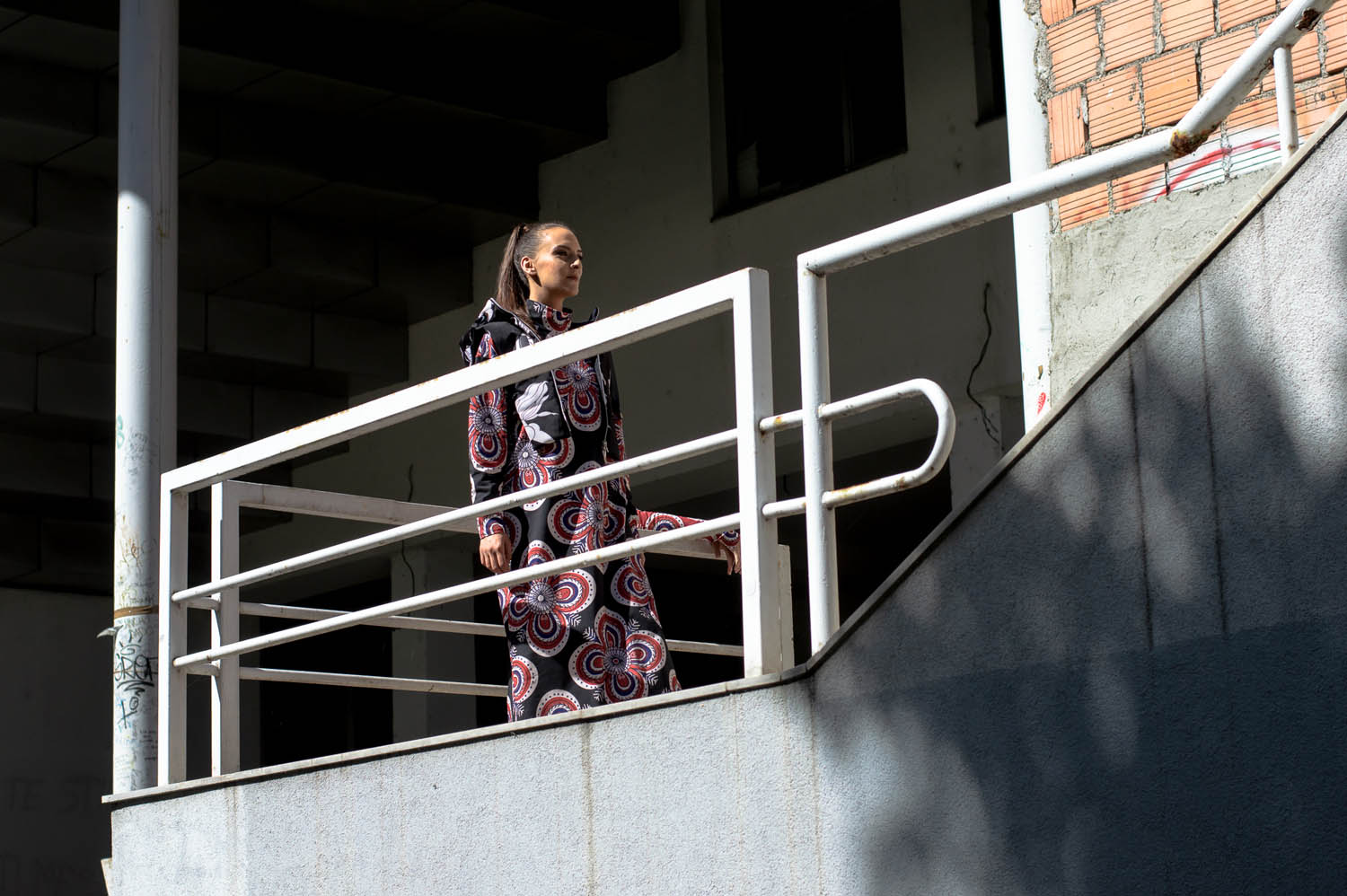
The JKH identity story »Žalik Žena« is *Krivopetnica, that left the Trenta Valley because of all the unfortunate events. She separated from her sisters and ventured, becoming an urban nomad. She left her armour behind. However, she took with her only the Triglav flowers – which she used to pick and dry in the mountains where she lived, for her magic medicinal tea. She is free, headstrong, happy, away from quarrels, wilful and is now discovering a new world. We can understand her as a modern woman, a woman who does not run away from problems, she solves them and moves on. With new acquaintances and experiences she enriches her self and grows becoming a better version of herself.
*Krivopetnica: a mythological being in the form of a woman, with long green hair and turned around feet.
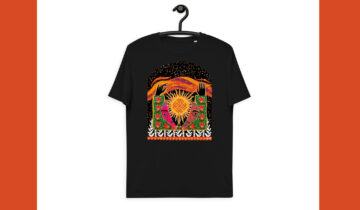
And in autumn, she dressed herself in colour, she blossomed, she drew old Slavic symbols (the sun, the cross, the tree of life), she dressed herself in the symbols that decorate traditional Easter eggs. In the colours of autumn she dances among the symbols of her ancestors, she is free.
Symbols such as; the sun, the cross and the tree of life brought happiness, love, strength and security to our Slavic ancestors. They used them to decorate clothes, their home and also Easter eggs, which were given to their relatives, neighbours and friends for good luck on Easter. These symbols found their way into the JKH patterns in a new form.
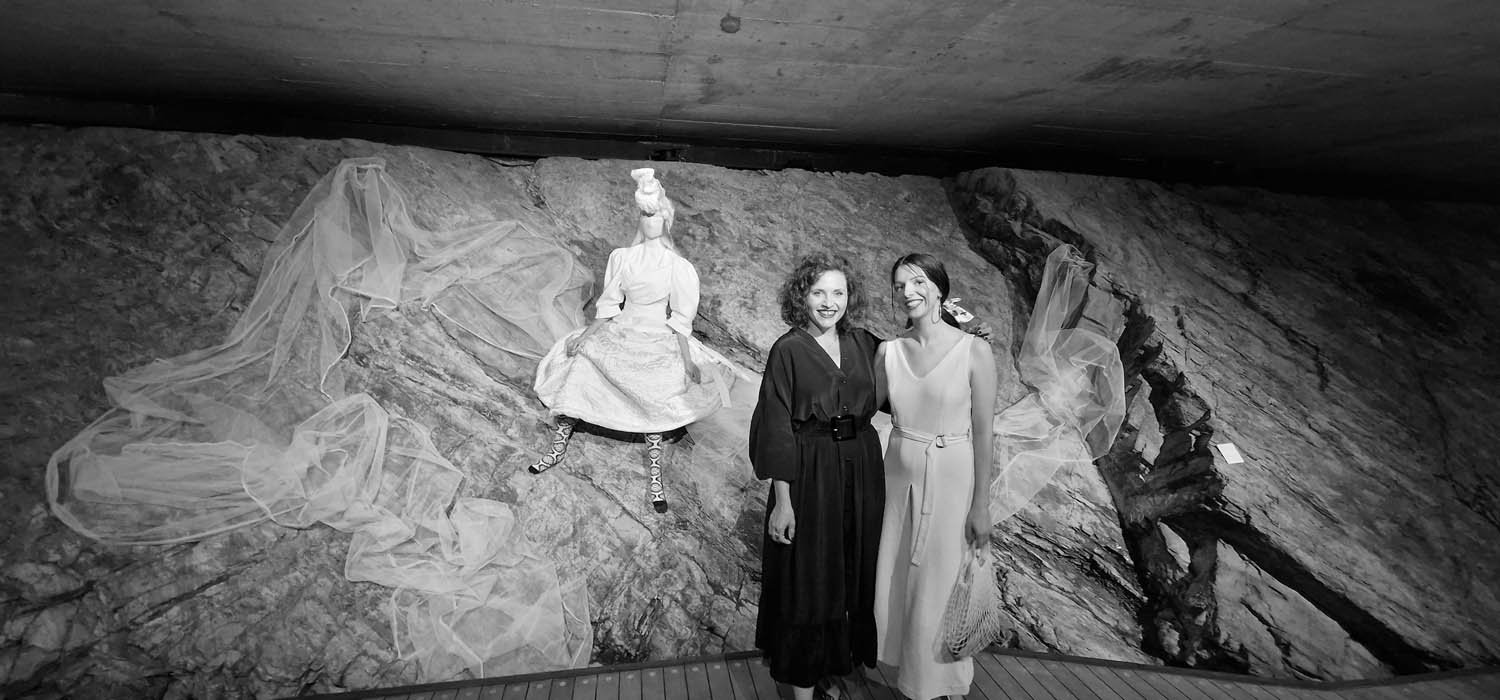
The collection was created as a conclusion of an exhibition that took place at the Ljubljana Castle. The exhibition was the display of the designer creative process. “For the public, the creative process of designers often remains hidden, concealed or unknown. It is a process that can take weeks, months or even years, a process that, like identity, is always emerging and evolving, always discovering something new. Through the process of creation, designers get to know the depths of their soul, exploring and growing along with the process.”
The exhibition Žalik Žene was created by fashion designers Julia Kaja Hrovat and Janja Videc. They give us an insight into the process of creating a clothing collection, and thus allow us to enter their creative world. In addition to following a sustainable approach, the two designers are linked by the fact that they both draw inspiration from Slovenia’s intangible cultural heritage. On this occasion, the common starting point was the story about žalik žene, which each of the designers has interpreted through her own eyes. In fairy tales, these magical mythological creatures are good fairies who live in caves. They have beautiful long hair and are dressed in white from head to toe. In Old Slavic culture, the colour white represents mourning, but also rebirth. A žalik žena appears when a person needs her most.
 No products in the cart.